UNESCO World Heritage Site
Architecture
Masterwork of Indo-Islamic structural engineering
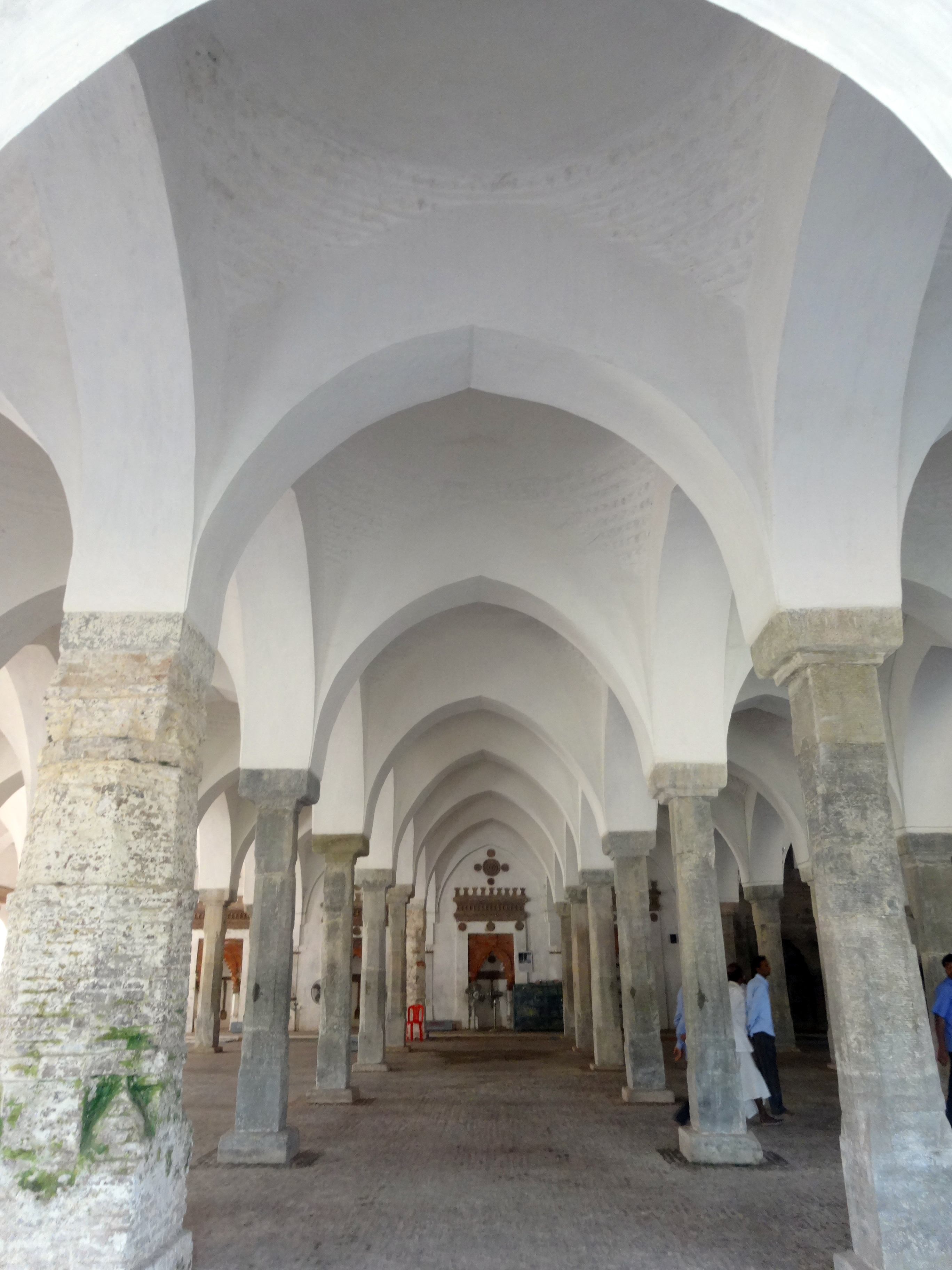
The Sixty Dome Mosque measures approximately 48 meters (160 ft) from east to west and 33 meters (108 ft) from north to south, making it the largest mosque of the Sultanate period in Bangladesh. The rectangular prayer hall is divided into 77 bays by a grid of 60 slender stone columns.
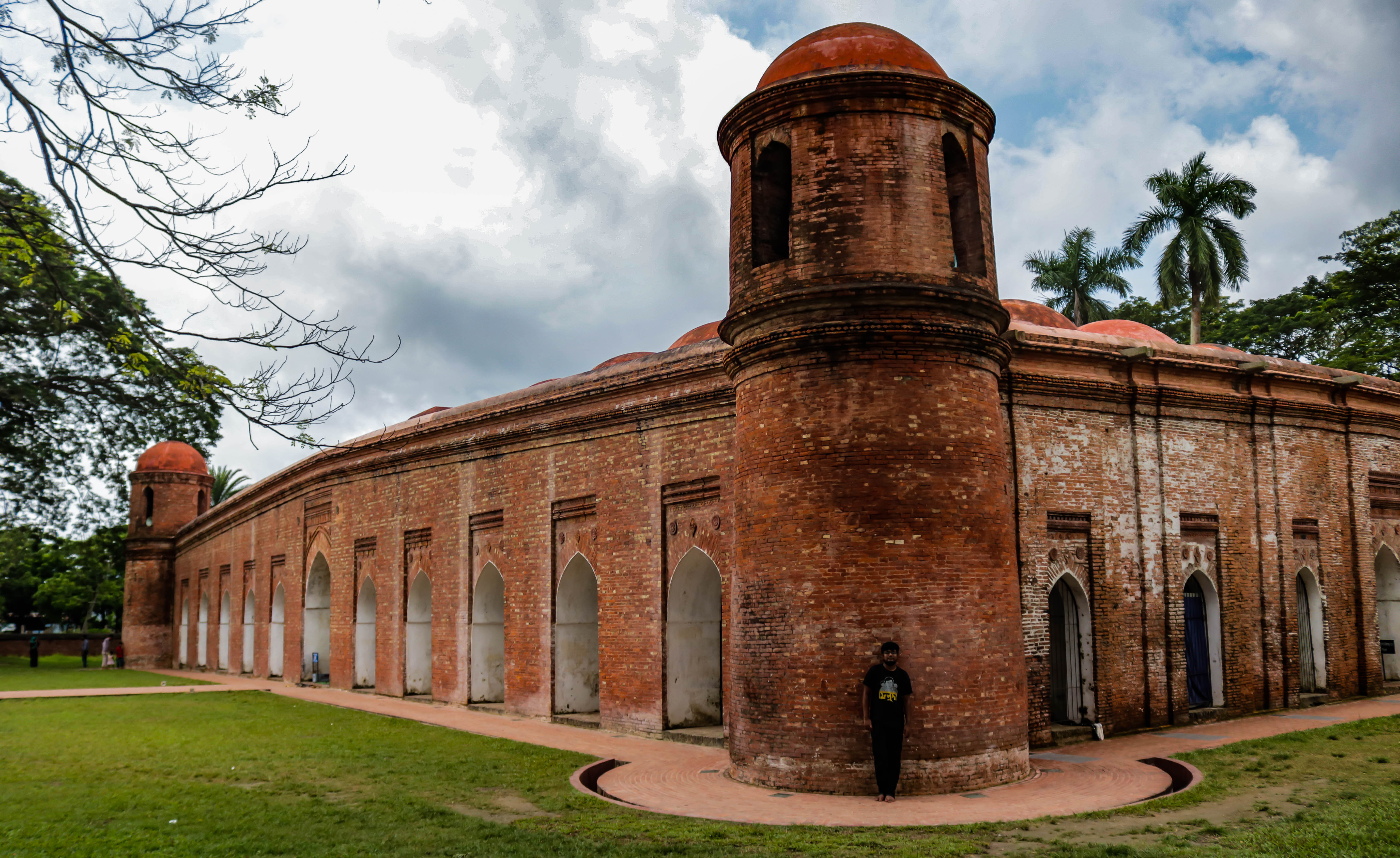
The mosque is oriented precisely on the east-west axis, with the qibla wall facing west towards Mecca. The main entrance is through the eastern facade, which features 11 arched doorways. The north and south walls each have 7 doorways.
.jpg)
The roof of the mosque is covered by 81 domes: 77 low, slightly curved domes arranged in 7 rows of 11, creating a mesmerizing visual rhythm from both the interior and exterior. Four additional domes, slightly larger and elevated, crown the four corner towers (chau-chala).
The domes are constructed using a technique where thin bricks are laid in concentric rings, gradually narrowing to form a self-supporting structure without the need for centering — a remarkable engineering achievement for the 15th century.
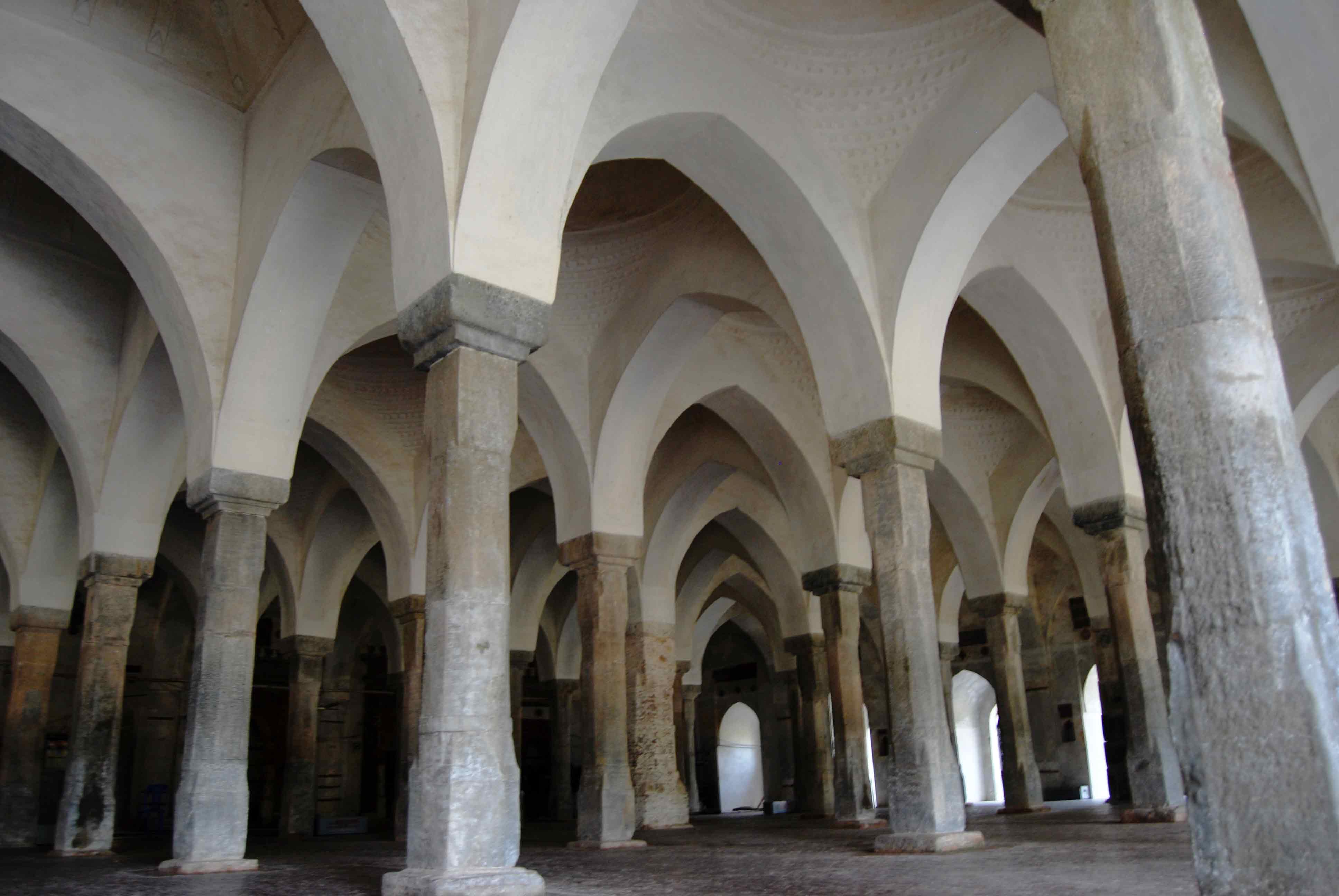
The interior is defined by 60 slender, cylindrical stone columns that support the multi-domed roof through a series of pointed arches. These columns, made of locally quarried basalt, are remarkably thin relative to the weight they bear, creating a spacious, column-forest aesthetic.
The arches connecting the columns are predominantly pointed (ogival), reflecting influences from both Islamic and Gothic architectural traditions. The interplay of arches and domes creates an extraordinary sense of verticality and openness.
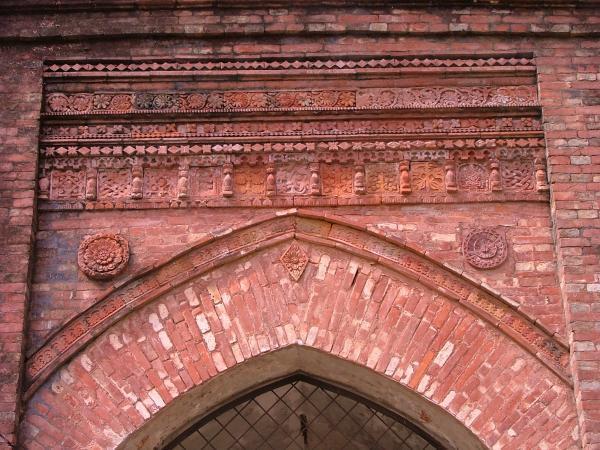
The western qibla wall contains 11 ornately decorated mihrabs (prayer niches), each featuring intricate terracotta ornamentation with floral, geometric, and arabesque motifs. The central mihrab is the largest and most elaborately decorated, flanked by engaged terracotta columns.
The interior walls display a subdued elegance, with terracotta panels and bands of geometric patterns providing visual interest without overwhelming the structural clarity of the space.
The mosque combines two primary building materials: locally produced thin bricks (characteristic of Bengal architecture) and imported basalt stone for the columns. The exterior walls are thick, tapering slightly as they rise, giving the mosque a fortress-like appearance.
The terracotta ornamentation on the mihrabs and doorways is among the finest surviving examples of medieval Bengali decorative art, featuring lotus motifs, chain-link patterns, and geometric interlace designs.
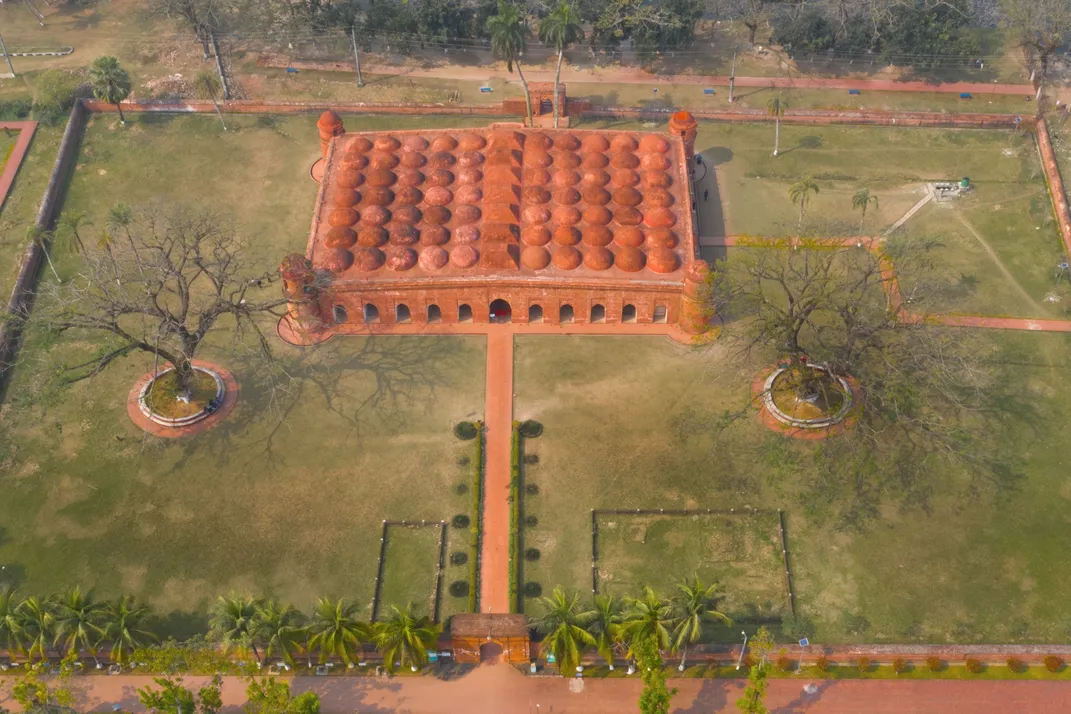
The mosque incorporates several hallmarks of Islamic architecture: the multi-dome roof system, pointed arches, mihrabs, and geometric ornamentation. However, these elements are adapted to local building traditions, creating a distinctive Indo-Islamic style unique to Bengal.
The Sixty Dome Mosque is unique in South Asia for several reasons: its multi-dome roof system (the largest of its kind in the subcontinent), its thin-shell brick dome construction technique, and the successful integration of stone columns with brick superstructure. No other mosque in the region matches its scale, structural ambition, or decorative sophistication.